Selling your Arroyo Grande home can feel simple on the surface. Put it on the market, add a few photos, and wait for offers, right? In reality, today’s local market rewards sellers who prepare with care. If you want to attract serious buyers, support your asking price, and avoid surprises during escrow, the right prep work matters. Let’s walk through what to do before your home goes live.
Understand the Arroyo Grande market
Arroyo Grande is active, but it is not a market where every home sells instantly without effort. March 2026 market snapshots showed median days on market ranging from about 47 to 60 days, with a sale-to-list ratio around 98% in one report. That tells you buyers are engaged, but they are still comparing options and paying attention to value.
At the county level, San Luis Obispo County was described as balanced, with homes taking about 50 days to sell on average. Statewide, California’s 2026 forecast points to modest growth in both sales and prices, not a dramatic surge. For you as a seller, that means presentation, condition, and pricing discipline still play a major role in the outcome.
Start with repairs, not decor
Before you think about staging pillows or fresh flowers, focus on the parts of your home that could affect buyer confidence. Electrical issues, plumbing concerns, roof leaks, drainage problems, and visible structural concerns should move to the top of your list. These items can come back during inspections and create stress later if they are ignored.
In California, seller disclosures cover the property’s physical condition and known hazards or defects. The California Department of Real Estate also notes that disclosures are not a warranty and do not replace inspections. That is one reason smart prep is more than cosmetic. It helps you present your home clearly and reduces the chance of unwelcome surprises during escrow.
Repairs worth prioritizing
If you are deciding where to spend time and money first, start here:
- Fix active leaks or signs of water intrusion
- Address exposed wiring or nonworking electrical items
- Repair plumbing problems such as drips, clogs, or low water pressure
- Replace broken windows, damaged doors, or unsafe handrails
- Patch obvious wall or ceiling damage
- Service major systems if maintenance has been deferred
- Clean up exterior drainage issues that may concern buyers
You do not need to renovate every room to have a successful sale. You do need to remove red flags that can weaken your negotiating position.
Gather paperwork before you list
A smooth sale often starts with organization. Before your home hits the market, collect the records a buyer may ask about. This can help your listing feel more credible and can save time once you are in contract.
California law also makes documentation important. Natural hazard disclosures may apply to conditions such as very high fire hazard severity zones, earthquake fault zones, seismic hazard zones, and certain flood-related matters. If you have made room additions, structural changes, or other significant repairs, permit and contractor records may also matter in the sale process.
Documents to pull together
Create one folder, digital or physical, with items like these:
- Past repair receipts
- Contractor invoices
- Permit records for additions or major improvements
- Roof, HVAC, plumbing, or electrical service records
- Appliance warranties if still active
- HOA documents if the property is in an association
- Utility or improvement information that may help answer buyer questions
This step may not feel glamorous, but it supports transparency and helps your home feel market-ready.
Focus your cosmetic updates
Once major repair items are handled, shift to visual presentation. This is where many sellers can make a strong impact without overspending. The goal is not to make your home look generic. It is to make it feel clean, bright, spacious, and easy for buyers to understand.
Staging data backs this up. In 2025, 83% of buyers’ agents said staging made it easier for buyers to picture a property as their future home. Nearly half of sellers’ agents said staging reduced time on market, and 29% reported that staging increased the dollar value offered by 1% to 10%.
Best places to spend effort
Buyers notice a few spaces first, both online and in person. Prioritize these areas:
- Front entry
- Living room
- Kitchen
- Primary bedroom
- Dining area
- Main bathrooms
These are also the spaces that tend to carry the most weight in listing photos.
Simple updates that photograph well
If you want practical improvements without a major remodel, consider:
- Fresh neutral paint
- Deep cleaning from baseboards to windows
- Updated light bulbs for a consistent warm tone
- Minor hardware swaps if finishes are dated or mismatched
- Reduced furniture to improve flow
- Clean countertops and open surfaces
- Trimmed landscaping and a tidy front approach
Small improvements often create the polished first impression that helps buyers connect with a home.
Declutter with a buyer’s eye
One of the most effective prep steps costs very little. Decluttering makes rooms feel larger, calmer, and more usable. It also helps buyers focus on the home itself instead of your belongings.
Start by removing personal items, excess decor, and anything that makes a space feel crowded. Closets matter too. Overstuffed storage areas can make buyers assume the home does not have enough room.
What to pack away early
Try removing these before photos and showings:
- Family photos and highly personal decor
- Extra chairs or bulky accent furniture
- Most countertop appliances
- Overflow items from closets and cabinets
- Pet accessories when possible
- Seasonal decorations
Think of this as pre-moving, not just cleaning. You are creating breathing room so buyers can imagine their own next chapter in the space.
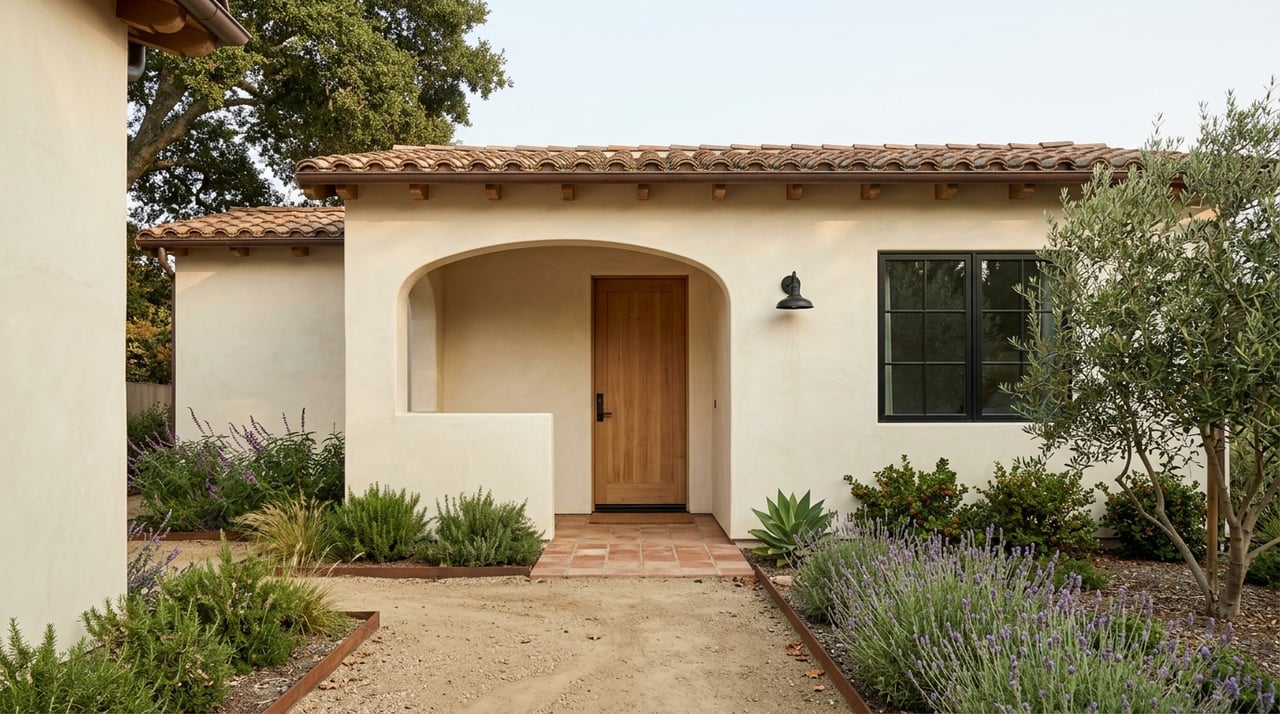
Make curb appeal part of your strategy
Your exterior sets the tone before a buyer even opens the front door. In a market like Arroyo Grande, where homes are selling but not at a breakneck pace, a clean and welcoming first impression can help your property stand out.
Curb appeal does not have to mean an expensive landscape overhaul. Often, it means trimming, cleaning, touching up, and simplifying. The home should look cared for from the street and inviting in photos.
Quick exterior wins
- Pressure wash walkways and hardscapes if needed
- Refresh mulch or ground cover
- Trim overgrown shrubs and trees
- Remove dead plants
- Touch up the front door or entry details
- Clean exterior light fixtures and house numbers
- Keep the driveway and porch clear
These details help signal that the property has been maintained.
Prep for photos before showings
Online presentation is a big part of your sale strategy. Staging research found that listing photos, videos, virtual tours, and in-person staging all influence buyers. That means photo readiness is not optional. It is part of the core prep process.
Before media day, make sure every main room is clean, bright, and edited. Open blinds where appropriate, replace burned-out bulbs, hide cords, and remove anything distracting. If the home is vacant, virtual staging may help buyers understand the scale and use of a room, but any material photo alterations should be disclosed.
Build a realistic prep timeline
One of the biggest mistakes sellers make is underestimating how long preparation takes. Realtor.com reported that 53% of sellers took one month or less to get their home ready, but that does not mean every home should be rushed. In Arroyo Grande, a six- to eight-week prep window is a sensible baseline if you want time for repairs, cleaning, staging, photography, and pricing review.
You may need more time if you are waiting on contractors, collecting permit records, or handling deferred maintenance. Starting early gives you more control and reduces the chance of listing before the home is truly ready.
Sample six- to eight-week prep plan
| Timeline | Focus |
|---|---|
| Weeks 1-2 | Walk the property, identify repairs, gather vendor bids, start disclosures and paperwork |
| Weeks 2-4 | Complete key repairs, service major systems, collect permits and receipts |
| Weeks 4-6 | Deep clean, declutter, paint if needed, improve curb appeal |
| Weeks 5-7 | Stage key rooms, finalize pricing strategy, prepare marketing assets |
| Weeks 7-8 | Professional photos, final touch-ups, launch listing |
A steady timeline usually leads to a stronger launch than trying to do everything at once.
Price preparation matters too
Even a beautifully prepared home can lose momentum if the price misses the market. Arroyo Grande’s recent numbers suggest that buyers are willing to act, but they are not ignoring value. When homes are taking roughly 47 to 60 days to sell, your opening price and presentation need to work together.
That is why prep should include a pricing review based on current local conditions, buyer expectations, and the home’s actual level of finish. If your property shows well and enters the market with a disciplined strategy, you are in a much better position to attract strong interest early.
Put the pieces in the right order
If you remember one thing, let it be this: do the work in sequence. Start with repair issues and disclosure readiness. Then move to decluttering, cosmetic updates, staging, photography, and pricing strategy.
That order helps you avoid wasted effort and creates a smoother path from listing to closing. In Arroyo Grande, where buyers are active but thoughtful, the homes that feel well prepared tend to make the strongest impression.
If you are thinking about selling and want a clear plan tailored to your home, Joshua Farris Real Estate Advisors can help you prepare, position, and market your property with a high-touch Central Coast strategy.
FAQs
What should Arroyo Grande sellers fix before listing a home?
- Focus first on issues that may affect inspections or buyer confidence, such as electrical, plumbing, roof, drainage, and visible structural concerns.
How long does it take to prepare an Arroyo Grande home for sale?
- A six- to eight-week prep window is a practical baseline for many sellers, especially if you need repairs, staging, photography, and paperwork before listing.
Does staging really help sell a home in Arroyo Grande?
- Yes. National staging research found that staging helps buyers visualize the home, can reduce time on market, and may improve the dollar value offered.
What paperwork should California sellers gather before listing a home?
- Pull together repair receipts, permit records, contractor invoices, service records, and other documents that support disclosures and answer buyer questions.
Is Arroyo Grande a strong seller’s market right now?
- Arroyo Grande has active buyer demand, but homes are still taking about 47 to 60 days to sell in recent snapshots, so strong preparation and careful pricing remain important.
Which rooms matter most when preparing an Arroyo Grande home for photos?
- Focus on the front entry, living room, kitchen, primary bedroom, dining area, and main bathrooms because these spaces often shape a buyer’s first impression online and in person.