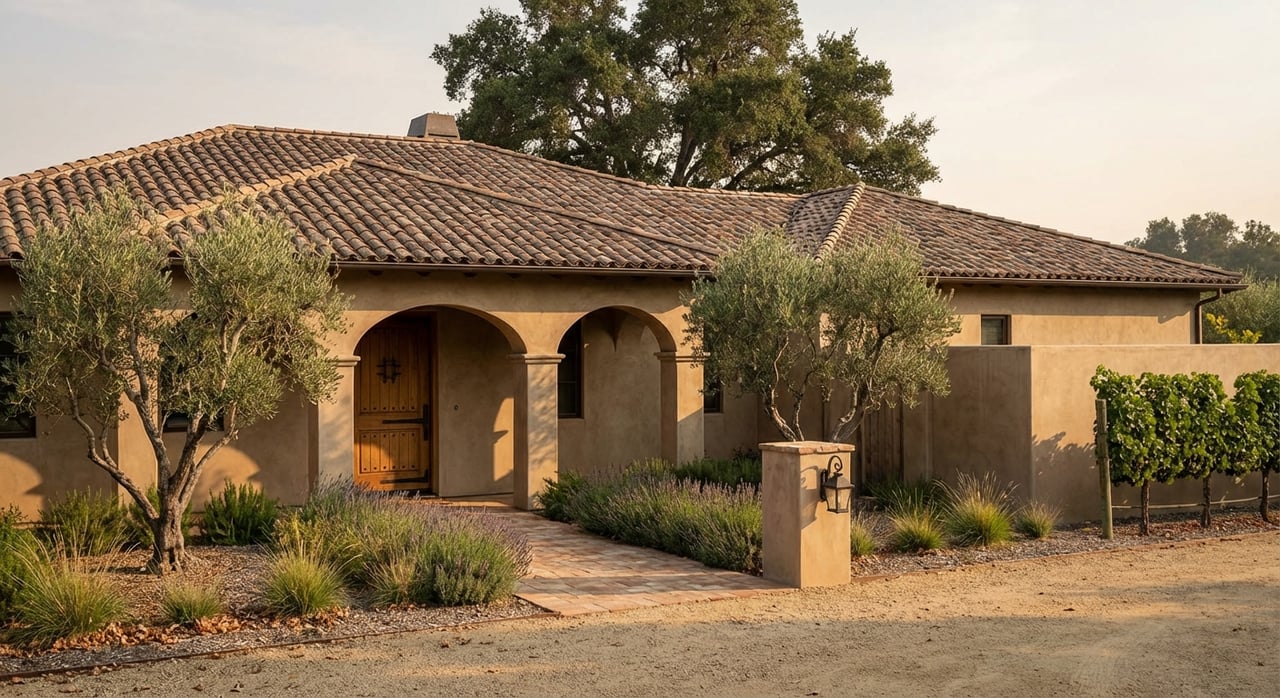
What if your morning coffee came with vineyard views and your evening walk ended at a favorite tasting room? If you’re considering Paso Robles, you’re likely balancing lifestyle, space, and easy access to food and wine. This guide breaks down how each neighborhood supports a different version of wine-country living so you can match your day-to-day routine with the right address. You’ll learn where walkability shines, where acreage and privacy rule, and what practical checks matter before you write an offer. Let’s dive in.
How Paso does wine-country living
Paso Robles blends a lively downtown with vast vineyard country. The region spans tens of thousands of vineyard acres with hundreds of tasting rooms and wineries, as summarized by the Paso Robles Wine Country Alliance. In town, City Park anchors a compact grid of tasting rooms and restaurants. Beyond it, west and southwest corridors lead to hilltop estates, limestone soils, and cool coastal influence that shape both the wines and the landscape.
You’ll see four common lifestyle patterns: walkable downtown streets, vineyard and hilltop estates, lakeside resort-style living, and newer master-planned enclaves. Each offers a distinct daily rhythm, from brunch and boutiques to quiet, starlit nights on acreage.
Downtown and Vine Street
Downtown centers on City Park and the Park, Spring, and Pine Street corridors. It is Paso’s social hub with a high density of tasting rooms, restaurants, and seasonal events. If you want to park the car and stroll, the Downtown Winery Trail showcases how close everything sits.
Housing snapshot and feel
You’ll find older single-family homes with Victorian, Craftsman, Spanish-influenced, and mid-century styles. Lots are typically compact, often in the approximate 0.1 to 0.4 acre range, with front porches, established trees, and a classic small-town street grid. Infill condos and accessory units have appeared in recent years, which can add flexibility for multigenerational living or a home office.
Buyer notes
- Expect limited on-site parking on some blocks and a lively evening scene on weekends.
- Short drives connect you to both Highway 46 corridors for winery day trips.
- If walkable wine nights and easy dining matter most, this is where that lifestyle is most convenient.
Tin City and the 101 corridor
Tin City is a compact, industrial makers district a few miles south of downtown with warehouse tasting rooms, breweries, a cidery, and casual dining. It feels creative and production-forward, with ample off-street parking and a weekend buzz. Preview the vibe on the Tin City official site.
Tin City itself is commercial. Nearby residential pockets are attractive if you want swift access to tastings and food without navigating downtown parking. Consider this area if you appreciate small-production releases and an easygoing, park-and-wander afternoon.
Westside, 46 West, Adelaida, and Templeton Gap
West of town, rolling oak-studded hills and higher-elevation vineyards set the tone. Parts of this side sit within distinct sub-AVAs, including the Templeton Gap, where coastal influence channels through a low point in the Coast Range. Learn more about the corridor’s signature conditions in the Templeton Gap District AVA overview.
Housing and land patterns
If you picture privacy, long driveways, and panoramic sunsets, this is your lane. Parcels often range from a few acres to very large ranches. Many properties are vineyard-adjacent or vineyard-capable, which helps deliver that classic Paso view. The trade-off is distance to services and more hands-on site management.
Utilities and due diligence
- Many rural parcels rely on private wells and onsite wastewater systems. San Luis Obispo County regulates both; review well logs, pump tests, and septic reports during escrow. Start with the county’s Well Program guidance.
- Some hilltop locations mean longer drives to downtown dining. Plan your weekly rhythm and map actual times during both weekdays and weekends.
- If you’re dreaming about a small tasting space or events on-site, know that state alcohol rules and local land-use permits apply. The state provides a starting point in its winemakers industry topics, and you should confirm local permitting with the city or county planning office.
Heritage Ranch and Lake Nacimiento
If lake life pairs with your wine-country goals, Heritage Ranch offers a gated, master-planned setting north of town. Residents enjoy a marina, equestrian areas, pools, courts, trails, and organized activities. Amenities and community standards are managed by an active HOA, outlined by the Heritage Ranch Owners Association.
Housing and lifestyle
Homes range from smaller lots and manufactured homes to custom builds with lake views. The draw is amenity-rich living plus proximity to Paso Robles wineries and restaurants. If you want weekend boating, neighborhood programming, and easy social connection, this is a strong fit.
River Oaks and newer master-planned pockets
Closer to town, you’ll find planned neighborhoods and golf-adjacent communities that deliver modern construction, sidewalks, and HOA-managed amenities. These areas balance wine-country proximity with everyday convenience and lower yard maintenance compared with acreage.
Housing and lifestyle
Expect contemporary floor plans, neighborhood parks, and community standards that keep streetscapes consistent. If you value newer systems, shorter to-do lists, and simple access to shopping and services, these communities help you enjoy Paso’s food and wine scene without a rural upkeep load.
Practical checks before you buy
Smart due diligence protects your lifestyle vision and long-term costs. Use this punch list to frame your tours and offers.
Utilities and boundaries
- Inside city limits, most residences receive municipal water and sewer. You can review city water information on the City of Paso Robles Water page.
- Outside city limits, many parcels rely on private wells and septic systems, which require inspection and permit history. The county’s Well Program details testing and oversight.
- Not sure whether a parcel is in the city? Check the City’s Maps and Zoning portal.
Vineyards, tastings, and events
- Operating a tasting room or hosting commercial events involves both state alcohol licensing and local land-use approvals. The state outlines requirements in its winemakers industry topics. Confirm local use-permit rules with the appropriate planning office before you assume visitor-serving uses are allowed.
Driving times and access
- Downtown offers the most walkable tasting and dining experience, showcased on the Downtown Winery Trail.
- Westside estates and Highway 46 wineries provide signature views and production-focused tasting, with more parking and sometimes reservation policies. Plan for 10 to 30 or more minutes of drive time depending on the property’s location.
- Tin City provides a concentrated makers hub with easy parking and casual food options. Preview hours and producers on the Tin City site.
Market context
- A regional index shows the area’s median home value in the low-to-mid 700,000s, with a January 2026 ZHVI snapshot around 750,000. Prices vary widely by product type, from compact downtown homes to large vineyard estates and lake properties. Ask for a current neighborhood-level snapshot before you make decisions.
Which neighborhood fits your life?
- You want walkable nights out and a classic small-town feel: Focus on Downtown and Vine Street.
- You want acreage, views, and potential vineyard ground: Explore Westside, Adelaida, and the Templeton Gap corridor.
- You want recreation-forward living with a marina and HOA amenities: Consider Heritage Ranch at Lake Nacimiento.
- You want newer construction, sidewalks, and low-maintenance convenience: Look at River Oaks and other master-planned pockets.
Ready to tour Paso Robles?
Wine country here is not one-size-fits-all. The right fit comes from seeing how streets, lot patterns, tasting access, and utility details align with your goals. If you want a curated tour that compares these lifestyles side by side, along with a fresh market snapshot and a plan for inspections, connect with Joshua Farris Real Estate Advisors. We pair hyper-local insight with a boutique, consultative approach so you can move forward with clarity.
FAQs
Is a Paso Robles property on city water and sewer?
- If the parcel is inside city limits, it likely has municipal service. Review the City’s Water page and confirm location using the Maps and Zoning portal.
What should I know about wells and septic outside city limits?
- Many rural homes use private wells and onsite wastewater systems; request well logs, pump tests, and septic records, and review the county’s Well Program guidance.
Can I run a tasting room or host events on my property?
- Potentially, but it requires state alcohol licensing and local land-use approvals; start with the state’s winemakers industry topics and verify use-permit requirements with the city or county planning office.
How close are wineries and restaurants to each neighborhood?
- Downtown offers the most walkable cluster shown on the Downtown Winery Trail; westside estates and Tin City are a short drive, and actual times vary by property.
What is the current price range in Paso Robles?
- A January 2026 regional index snapshot places the median home value in the low-to-mid 700,000s, but prices vary by neighborhood and property type; ask for an updated, neighborhood-level report when you’re ready to shop.
Are there HOA rules at Heritage Ranch and in newer tracts?
- Heritage Ranch and some master-planned communities have HOAs that manage amenities and community standards; review details with the Heritage Ranch Owners Association and request each community’s CC&Rs during escrow.